

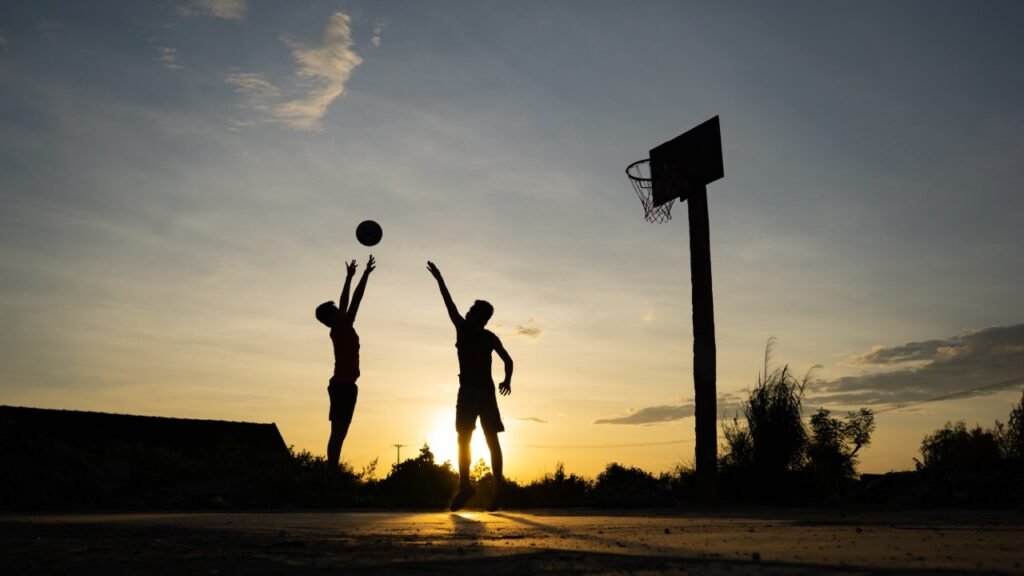
What is selfless play?
Selfless play means putting the team’s success first—sharing passes, encouraging teammates, and helping everyone enjoy the game. For young players, it builds skills, confidence, and a love of basketball that lasts beyond a single game.
“When one player passes the ball, the whole team can score.”
In practice, this looks like calling for a pass, backing up a teammate, and celebrating assists as much as baskets. It also helps kids learn communication and respect for teammates with different abilities.
Why it matters for young players
- Builds teamwork and communication
- Develops court awareness and decision-making
- Prevents driving for personal glory at the expense of the group
- Supports a positive sports experience and long-term participation
How to teach selflessness
- Set clear team goals — emphasize assists and successful team plays, not just points.
- Model the behavior — coaches and parents should praise passes and teamwork in words and actions.
- Practice with purpose — design drills that reward passing and movement, not just shooting.
- Use simple feedback — after drills, describe what went well and how the team benefited from a good pass.
- Celebrate small wins — recognize players who make the extra pass, screen well, or communicate effectively.
Drills and exercises for beginners
Incorporate these beginner-friendly drills into short practice sessions of 15–20 minutes each, 2–3 times a week.
- 3-man weave — players form three lines and practice passing and cutting to the basket, emphasizing timing and spacing. This drill rewards smooth ball movement.
- Give-and-go — a player passes to a teammate and immediately cuts toward the basket to receive a return pass. This reinforces decision-making and quick movement. Give-and-go is a common basketball concept that helps players understand spacing and timing.
- Pass-and-cut — after a pass, the passer moves without the ball to create an open lane; this teaches creating opportunities for teammates.
Safety and wellbeing
Healthy habits matter. Ensure proper warm-ups, hydration, suitable footwear, and age-appropriate game rules. For official guidance on youth sports safety and activity, see:
- CDC: Physical Activity for Children
- WHO: Physical Activity fact sheet
- KidsHealth: Sports Safety and Injury Prevention