

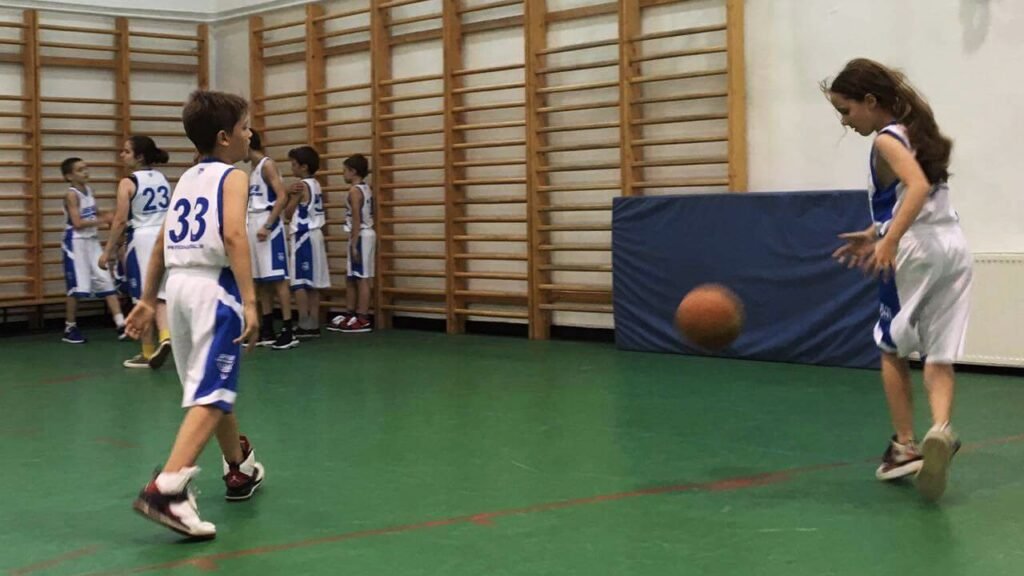
Starting basketball can be exciting for girls, but the first lessons often come with a few common challenges. This article helps parents understand what to expect, how to support their daughter, and which beginner drills foster confidence, safety, and a love for the game. By focusing on fun, small wins, and steady progress, you can help your child build skills that last a lifetime.
Common challenges for girls who are new to basketball
Many new players experience hesitation with ball handling, shooting, team movement, and confidence on the court. These are normal parts of learning and can be addressed with patient practice, clear explanations, and positive feedback.
- Dribbling while moving — learning to bounce (dribble) the ball with the fingertips rather than the palm, and keeping eyes up to see teammates and defenders.
- Shooting form — developing a soft release and proper follow‑through from close range; for beginners, start with layups (an easy, close‑range shot near the basket).
- Passing and catching — learning to pass accurately and to catch the ball calmly, avoiding rushed or wild passes.
- Spacing and movement — understanding where to stand on offense and how to move to create opportunities.
- Defensive stance and footwork — staying low, keeping balance, and moving feet laterally to stay in front of a player.
- Confidence and fear of mistakes — building a growth mindset and recognizing progress, not perfection.
- Equipment fit and comfort — shoes with a good grip, comfortable socks, and a properly sized basketball for younger players.
Notes: Short explanations help parents coach at home. Dribble means bouncing the ball while controlling it with the fingertips; a layup is a close-range shot near the basket. For more safety and youth-appropriate guidance, see official resources from FIBA and USA Basketball.
“The most important thing is to make every session feel safe, fun, and successful so your child develops a love for the game.”
Practical tips for parents and guardians
- Set realistic expectations and celebrate small improvements, like making a first basket or dribbling across the court.
- Offer positive feedback that focuses on effort, technique, and teamwork rather than only results.
- Choose age-appropriate equipment and clothing for safety and comfort. See official safety resources:
CDC: Physical Activity Guidelines for Kids,
FIBA Youth Resources,
USA Basketball Resources. - Encourage practice at home with simple drills that mirror on-court scenarios and promote consistency.
Simple beginner drills for home practice
Try these easy drills in short, fun sessions. Each drill supports fundamental skills and can be adjusted for your child’s age and size.
| Drill | Focus | How to do |
|---|---|---|
| Controlled dribble around cones | Ball handling & coordination | Dribble with fingertips, eyes up, around 4 cones placed in a square. Switch hands after completing the circle. |
| Mini layups (both sides) | Finishing near the rim | Approach from the left and right, jump with two feet, softly lay the ball off the board into the hoop. |
| Chest and bounce passes with a partner | Passing technique | Stand 2–3 meters apart; practice chest passes (hands at chest level, forward pass) and bounce passes (ball bounces once before partner’s hands). |
Safety considerations and pace
Warm up before any practice, stay hydrated, and monitor for fatigue. Use a properly sized ball and supportive footwear to prevent injuries. If your child has a medical condition or injury, consult a pediatrician or healthcare professional before continuing with intensive activity. For evidence-based guidelines, consult sources such as CDC and FIBA.
Learn more about international basketball for youth and USA Basketball for age-appropriate programs and safety tips.