

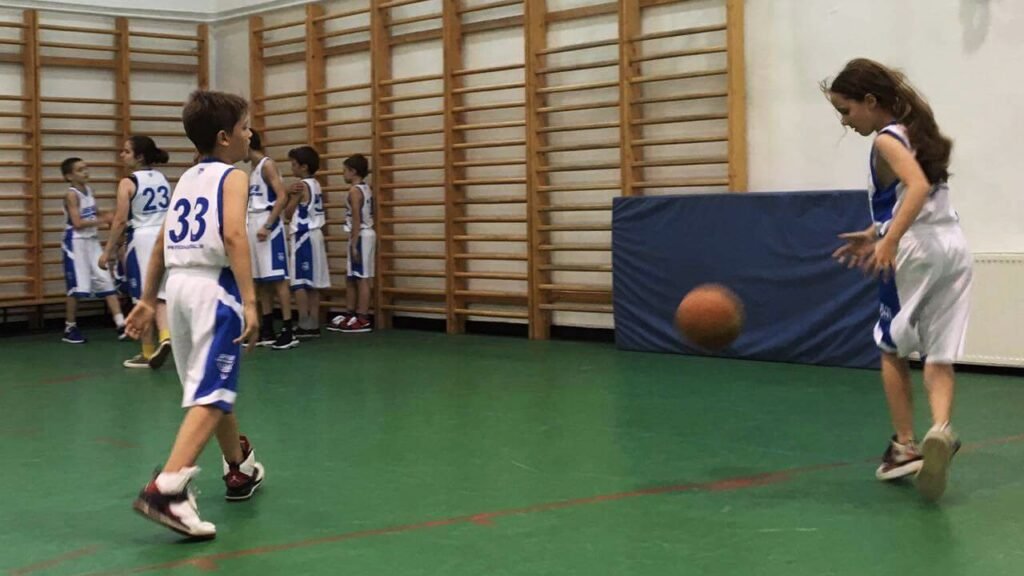
Speed dribbling is the ability to move quickly with the basketball while maintaining control. This skill helps young players attack the basket, beat defenders, and create scoring opportunities for their team. The goal for beginners is to develop pace and confidence while keeping the ball secure and eyes up to read the defense. Parents can support by encouraging regular practice, emphasizing safety, and celebrating progress.
Why speed dribbling matters
For growing players, speed with the ball opens space, keeps the offense moving, and builds decision-making under pressure. Practicing speed dribbling also improves coordination, balance, and hand strength. A focus on progressive skill-building helps children enjoy basketball and stay motivated.
- Confidence: faster ball handling reduces hesitation and fear of losing the ball.
- Attack mindset: speed dribbling creates opportunities to attack the basket or pass to teammates.
- Safety: proper technique minimizes the risk of turnovers and injuries.
Parents can support by keeping practices fun, setting short goals, and letting kids practice in a safe space. For foundational drills and coaching ideas, see official resources from USA Basketball and FIBA.
Basic stance and grip
Start with a low, athletic stance: feet shoulder-width apart, knees slightly bent, and back straight. Hold the ball with the fingertips (not the palm) to maximize control. Keep the ball at a comfortable height—typically below the waist or at hip level—so you can move quickly without losing control. Look up often to read defenders and teammates.
Glossary: Pocket dribble is when the ball is kept very close to the body for protection, usually around the torso, making it harder for a defender to steal. A controlled pace means alternating between quick, small dribbles and longer, steady taps to maintain balance and vision.
Speed dribbling technique
- Eyes up and ball low: Keep your head up while dribbling with quick taps at a low height to maintain speed and awareness of the court.
- Fingertips, not the palm: Dribble with the fingertips for better control and quicker touches. Avoid letting the ball bounce high.
- Protect the ball: Use a shoulder and quick stance to shield the ball from defenders while you drive with pace.
- Change of pace: Use short bursts of speed, then return to a controlled pace to keep defenders guessing.
- Continuation and reading lanes: After a speed burst, scan for passing lanes or driving options to the basket.
“Speed without control helps no one. Start with a calm, low dribble and build pace as you gain confidence.”
Drills and practice plan
Incorporate a mix of solo and partner drills. Always begin with a light warm-up and finish with a gentle cooldown. Use a kid-friendly ball size (see equipment tips below) and practice in a safe space.
| Drill | How to do it | Focus | Time / reps | Equipment |
|---|---|---|---|---|
| Stationary speed dribble | Feet shoulder-width apart, low dribble, eyes up. Dribble as fast as you can while maintaining control. | Speed, control, head up | 2 x 30 seconds | Basketball |
| Zig-zag speed dribble | Set up cones in a straight line. Dribble quickly to each cone, changing direction at pace. | Change of pace, direction | 6 runs | Cones |
| Weave through cones (two-handed) | Dribble through cones using alternating hands. Keep ball close and eyes forward. | Hand switching, ball control | 3 sets | Cones |
Progression tips: start with 3–5 minutes of light dribbling and add 1–2 minutes per week as confidence grows. Short, frequent sessions are more effective for kids than long, exhausting workouts. If possible, practice in a small gym or driveway where the ball won’t roll far away.
Equipment and safety
Use age-appropriate equipment to maximize comfort and safety:
- Ball size: Size 4 balls are typically recommended for players around 9–11 years old; Size 5 balls are common for players 12 and older. Using the correct size helps grip, control, and reduces strain.
- Footwear: Basketball shoes with good grip and ankle support help prevent slips and injuries.
- Surface and space: Practice on a clean, dry surface with ample space to move and stop safely.
- Hydration and warm-up: Start with a light jog and dynamic stretches; finish with a cool-down stretch.
For more guidance on youth coaching and safety, refer to official resources from USA Basketball and FIBA.
Practice tips for parents
- Keep sessions short (15–20 minutes) and fun to maintain enthusiasm.
- Celebrate small improvements, such as better ball control or looking up more often.
- Involve siblings or friends with light, supportive competition (dribble for distance, then pass).
- Use a simple reward system to encourage consistency (stickers, extra game time, etc.).
Remember: the goal is consistent improvement and enjoyment of the game. If you notice pain or discomfort, pause practice and consult a clinician or pediatrician.
Conclusion
Speed dribbling is a fun, essential skill for young players that combines pace with control, decision-making, and teamwork. Start with a solid stance and grip, practice the technique slowly, and gradually increase speed through engaging drills. With patience and safe practice, speed dribbling becomes a natural and exciting part of your child’s basketball journey.
For more structured plans and drills, explore official coaching resources from USA Basketball and FIBA.