

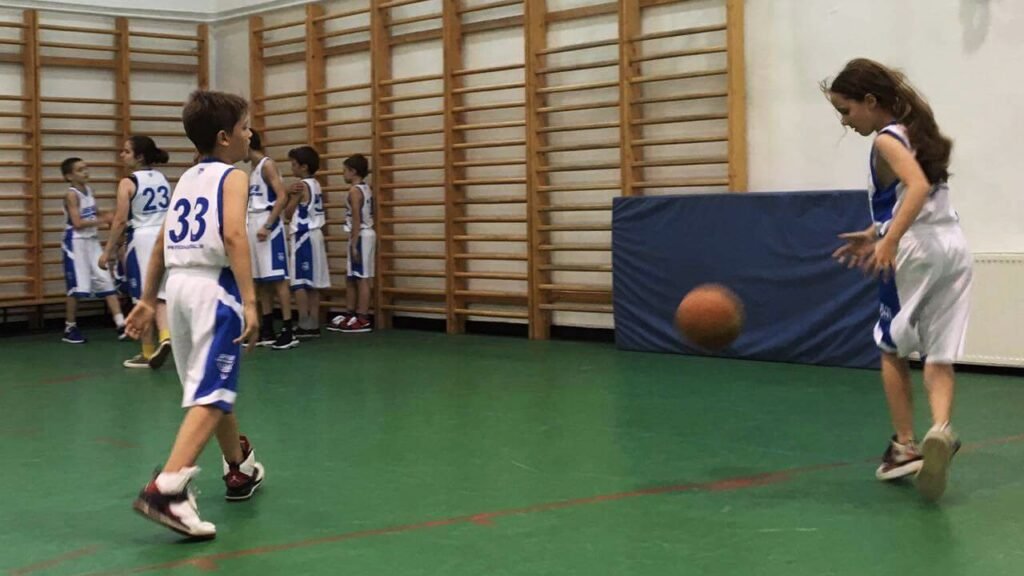
Why choosing the right class matters for your child
In secondary school, basketball classes help build skills, teamwork, and healthy habits. A good program supports safety, gradual skill development, and enjoyment.
When parents pick a class, they should look for qualified coaches, small groups, clear progression, and a welcoming environment. For safety guidelines, see sources like NFHS and HealthyChildren.org.
Key factors to consider
- Coach qualifications and approach: Look for coaches with formal coaching education and first-aid training. Ask about certifications and how they structure progression for beginners.
- Age and skill suitability: Ensure the class is appropriate for your child’s level. Some programs separate beginners from more experienced players.
- Safety and equipment: Check floor conditions, supervision ratios, and that players wear proper shoes and protective gear. For safety guidelines, see Sports Safety.
- Trial sessions and flexibility: Ask if you can observe or participate in a trial, and how the schedule adapts to school commitments.
- Progress tracking: A good program tracks skill development and provides feedback.
- Cost and commitment: Understand fees, duration, and any uniform or equipment costs.
Program options and what they offer
Here is a quick overview of common formats you may encounter. The right choice depends on your child’s goals—fun, fitness, or serious skill development.
| Program type | Focus | Ideal for | Trial/Notes |
|---|---|---|---|
| Recreational clinic | Foundations, basic skills, and drills | Beginners and younger teens | Often offers a short trial |
| Skill-development academy | Individual skills, shooting, ball-handling | Focused improvement, consistent practice | Weekly sessions with progress reports |
| Team-based league | Team play, game strategy, competition | Able to commit to games and practice | Season schedule; tryouts may apply |
We chose a program with small groups, a clear skill progression, and a free trial. Our child enjoyed the supportive coach and we could see steady improvement after a few weeks.
Practical steps to take before enrolling
- Contact the gym or club to confirm safety policies and coach qualifications. Reference sources like NFHS for basketball safety guidelines.
- Request a trial session to observe coaching style and group dynamics.
- Ask about equipment requirements, including appropriate basketball sizes by age, and footwear—see NFHS Basketball.
- Clarify the progression plan: how skills are introduced, practiced, and assessed.
- Check academic and sports-schedule compatibility with school commitments.
Glossary: common terms you may hear
Drills: Structured practice activities designed to develop specific skills, such as dribbling or shooting.
Progression: The planned sequence of skill difficulty, allowing gradual improvement.
Periodization: A training plan dividing practice into cycles for performance and recovery. (For a simple explanation for parents, see sports coaching resources.)
Safety and equipment checklist
Key safety checks before your child joins a class include floor condition, supervision ratio, emergency procedures, and appropriate footwear. For detailed guidelines, see the CDC physical activity basics.