

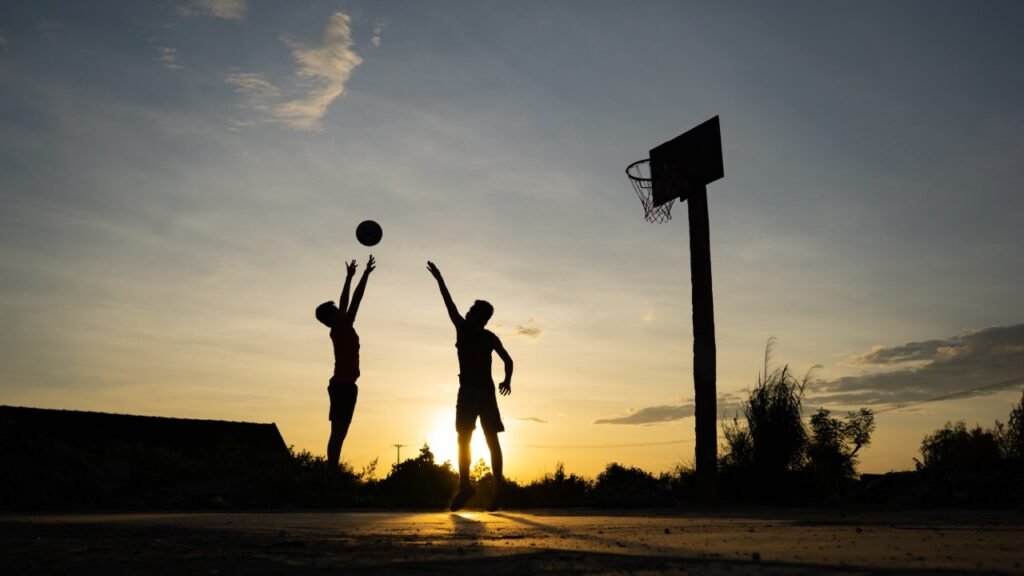
Why protecting the ball matters
Protecting the ball means keeping possession and preventing turnovers, which helps young players stay confident and involved in the game. Good ball protection reduces mistakes, creates more scoring chances, and builds a strong foundation for all other skills. For parents, teaching shielding early supports teamwork, safety, and a lifelong love of sport.
“Teaching shielding and ball protection builds balance, spatial awareness, and smart decision-making under pressure.”
For official context on how ball handling fits into basketball play, you can refer to the FIBA Official Basketball Rules.
Official source: FIBA Official Basketball Rules
When to start teaching ball protection
Begin with simple concepts around age 4–6: keep the ball in front, hold it securely, and stand tall. As kids grow, introduce shielding with the body, a proper stance, and a light pivot to protect the ball from defenders. Progression should be fun and not frustrating.
- Ages 4–6: focus on basic awareness, one-handed hold, and avoiding drops.
- Ages 7–9: add shielding with the body, elbow positioning, and basic footwork.
- Ages 10–12: combine shielding with dribbling and simple decision-making during simulated pressures.
For broader safety and child development guidance, see official pediatric and youth-sport resources.
Official sources: FIBA Official Basketball Rules, American Academy of Pediatrics
Age-appropriate drills you can do at home
These drills are designed to be short, engaging, and suitable for home practice with minimal equipment. Parents can participate to keep sessions fun and supportive.
- Ball Shield Drill — Stand with the ball close to the chest. Keep elbows tucked and shoulders relaxed. Have a partner or coach approach slowly; practice maintaining control while shielding the ball with the body.
- Pivot and Protect — Place one foot as a pivot and rotate your body to keep the ball between defender and torso. Emphasize a low, athletic stance.
- Dribble and Protect — Dribble while using the non-dribbling arm as a shield. Focus on keeping the ball close and protected as you move in different directions.
- Two-Receiver Shield — Practice shielding while passing to a nearby target, encouraging quick hands and secure ball control after the catch.
Tip for parents: keep drills short (5–10 minutes), praise effort, and gradually increase difficulty as your child gains confidence and control.
Common mistakes and how to fix them
- Overextending the arm or swinging the ball away from the body — fix by keeping the ball near the chest and using the forearm as a shield.
- Standing too upright or having a slouched posture — fix by bending knees, staying low, and keeping a wide stance.
- Looking down at the ball too often — fix by glancing up to read the court while maintaining ball protection.
- Rushing moves without proper shield — fix by slowing down, counting to three before advancing, and focusing on technique first.
Building a protective-ball habit at home and in practice
Make it a regular, enjoyable part of practice with short sessions, positive reinforcement, and game-like challenges. Use small-sided scrimmages focused on ball protection, then gradually add decision-making under light defense. Involve siblings or friends to keep it social and fun.
Official safety and rule-context resources can help you tailor practice to your child’s age and the local coaching guidelines. See the official FIBA rules and general pediatric safety guidance linked above.
For more information on safe youth basketball practices, consider visiting official coaching and safety resources available through national and international sport organizations.
- Related topics: Basketball rules, Pediatric safety and activity guidelines