

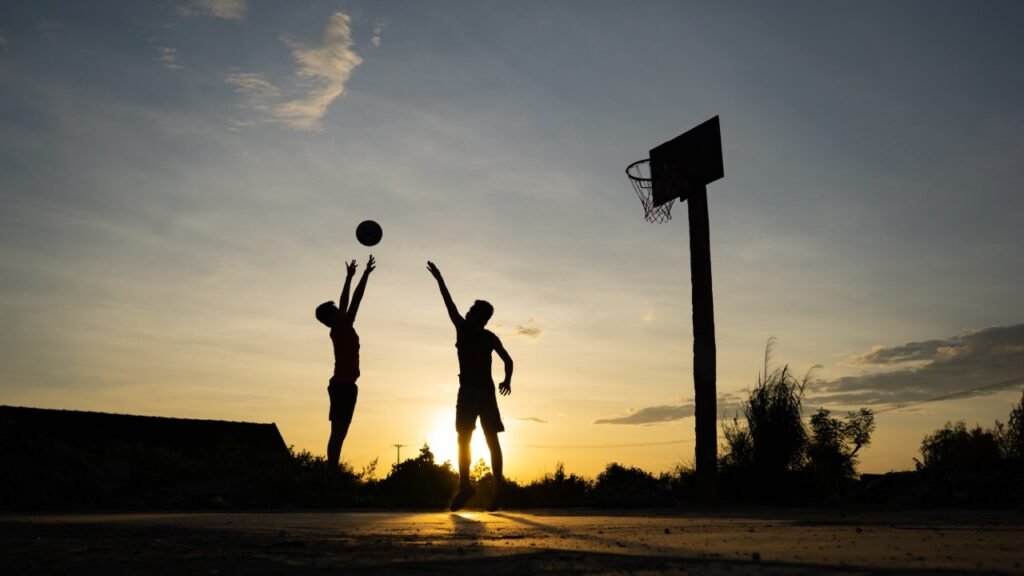
Basketball is a dynamic sport that blends physical activity with teamwork, focus, and joy. For parents, nurturing a child’s love of sport through training should be about fun, gradual skill-building, and consistent practice. Below are simple, practical ways to help your young players grow passionate about basketball while staying safe and motivated. For authoritative guidelines on youth activity, see the CDC resources linked in the sections.
Benefits of basketball training for kids
- Improved fitness and energy levels through regular, enjoyable practice.
- Enhanced coordination and motor skills such as balance, footwork, and hand-eye coordination.
- Teamwork and communication skills learned through drills and small-group games.
- Confidence and resilience built by setting goals and achieving them.
- Habit formation of healthy routines and sports participation.
For official guidance on youth physical activity, see CDC: How much physical activity do children need? and the World Health Organization recommendations.
How to start training safely
Keep sessions short and engaging for younger children (e.g., 15-30 minutes) and gradually increase as interest and attention grow.
- Warm up with light running and dynamic stretches to prevent injuries.
- Use a properly sized ball and practice space appropriate for your child’s age.
- Incorporate fun drills that include shooting, dribbling, and passing to keep motivation high.
- Hydrate, rest, and monitor for signs of fatigue or discomfort.
Involve a coach or parent who provides positive feedback and emphasizes safety above winning.
Positive coaching tip: “Keep practices short, varied, and fun to help kids look forward to the next session.”
Drills and age-appropriate guidance
- Ball-handling basics: keep the ball low and controlled, practice with right and left hands, and progress from stationary to moving dribbles.
- Shooting form: focus on a balanced stance, proper grip, smooth release, and follow-through from close range before stepping back.
- Passing and spacing: chest and bounce passes at a comfortable pace; reinforce movement without the ball to create open spaces.
For practical drills and coaching ideas, see FIBA Coaching Resources.
Involving the family
Make practice a family activity: attend games, celebrate progress, and model positive sportsmanship. Short, light-hearted games can show kids that sports are about fun and effort, not just winning.
Suggested family activities:
- Family mini-games: 1-on-1 or 2-on-2 with reduced goals to keep play inclusive
- Watch a game together and discuss teamwork and fair play
- Plan regular practice days to build consistency
By focusing on enjoyment, skill-building, and a supportive environment, your child will not only improve in basketball but also develop a lasting love of sport.
For a child-friendly glossary of common terms in basketball, see the linked resources or ask a coach to explain in simple terms.