

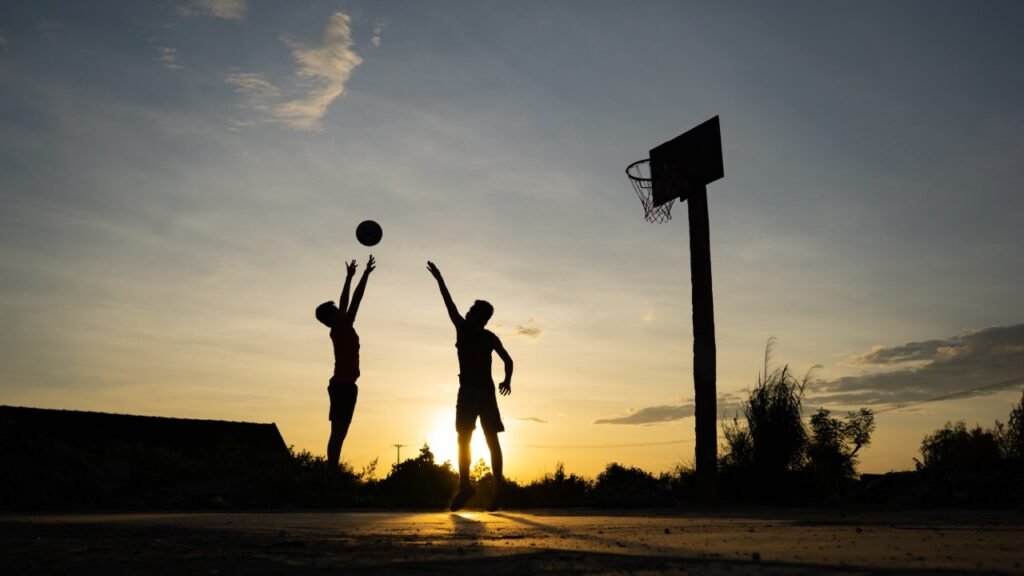
Basketball is a fast game, but its best moments often come from how players work together. For parents, understanding and supporting teamwork habits in kids’ basketball coaching can boost skill development, confidence, and a love of the game. This article shares practical ideas, clear explanations, and parent-friendly tips to help your child thrive both on and off the court.
What are teamwork habits in kids’ basketball?
Teamwork habits are the routines players use to communicate, cooperate, and support each other during practice and games. They include:
- Clear communication: calling for passes, pointing out screens, and offering encouragement.
- Sharing responsibility: rotating roles and helping teammates recover after mistakes.
- Unselfish play: prioritizing the team’s scoring opportunities over individual statistics.
- Reliable effort: hustle, defense help, and consistency in practice behavior.
Tip: Effective teamwork begins with specific expectations set by coaches and reinforced by parents at home.
Why developing teamwork habits matters
- Improved on-court success through better ball movement and communication.
- Social and emotional growth: kids learn to trust teammates and handle mistakes gracefully.
- Long-term love of sport: teamwork-focused environments reduce burnout by emphasizing enjoyment and belonging.
- Life skills: leadership, empathy, and problem-solving.
Great teams are built on trust and daily habits, not just talent.
Evidence and official guidance
Research and organizations emphasize safe, positive environments that foster teamwork and skill development. The following sources offer official guidance:
| Source | Key idea |
|---|---|
| SHAPE America (NASPE) – Characteristics of a desirable youth sport environment | Focus on safety, inclusion, skill development and teamwork |
| CDC – Physical activity for children | Kids should participate in regular physical activity; teamwork activities contribute to adherence |
| Positive Coaching Alliance | Communication, respect, and effort-based culture |
Practical drills and practice ideas
- Small-sided games (e.g., 3v3) to maximize touches and create natural teamwork opportunities.
- Assigned roles such as “ball handler,” “screen setter,” and rotating defender to teach accountability.
- Peer feedback brief, structured after plays using prompts like “What went well?” and “Where can we improve?”
- Positive reinforcement for teamwork behaviors, not just scoring.
- Reflection time a 2-minute group discussion after drills to summarize lessons learned.
Glossary: Common terms
| Term | Definition |
|---|---|
| Teamwork habits | Regular behaviors that help players work together on and off the court, such as communication and accountability. |
| Small-sided game | A game format with fewer players per team to increase engagement and teamwork opportunities. |
Talking points for parents
Use simple prompts to support your child’s teamwork development at home and on the bench:
- Celebrate passes, screens, and assists rather than only points.
- Ask questions like, “What did your team do well today to help a teammate?”
- Offer encouragement that emphasizes effort and cooperation.
Coach’s perspective
“The best players are the ones who lift others up and play for the team, not just their own stats.”
Bottom line
Developing teamwork habits in kids’ basketball coaching helps kids enjoy the game, improve skills, and build valuable life skills. Start with small, clear expectations and celebrate progress, not perfection.