

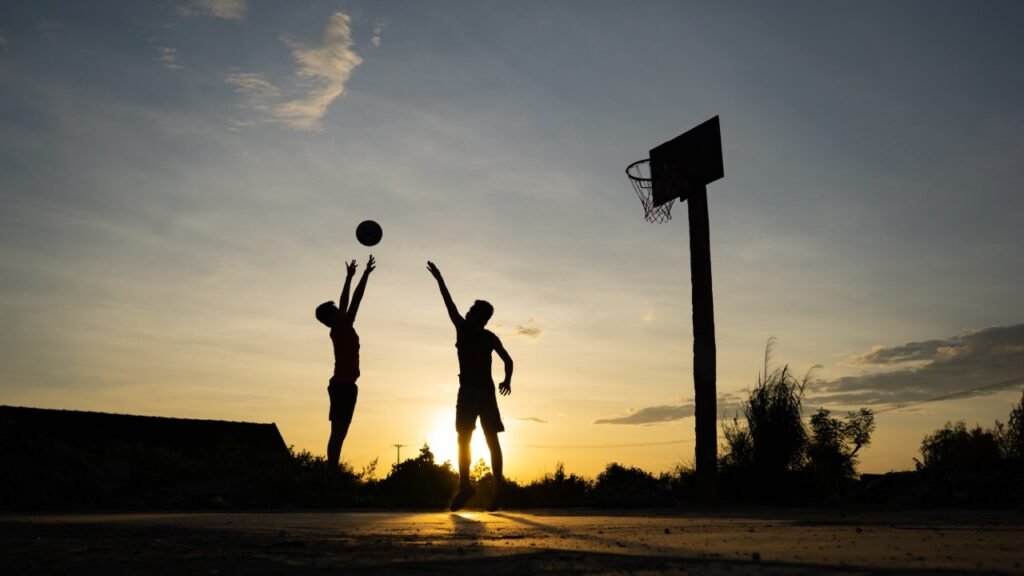
Why basketball lessons build confidence
Basketball lessons provide a safe, structured setting where kids practice new skills, learn to handle mistakes, and experience small wins that boost self-esteem. When children see their progress over weeks—dribbling with both hands, hitting a free throw, or executing a pick-and-roll with a partner—they gain evidence that effort leads to success.
How the skills learned on the court translate to life
On the court, children try new things, receive feedback from coaches, and adjust strategies. This helps them develop self-regulation (managing thoughts and feelings), perseverance, and teamwork. For parents, these are practical signs of growing confidence that also support academics and social life.
Playing basketball is not about being perfect; it’s about learning to try again, improving a little every day, and celebrating progress.
Key confidence-building skills in basketball
Here are the main habits that build self-confidence through basketball:
- Goal setting and deliberate practice — kids learn to set clear, achievable goals (like improving free-throw percentage) and track progress.
- Consistent effort — regular practice teaches that effort matters more than momentary talent.
- Communication and teamwork — passing, calling for screens, and encouraging teammates reinforce social skills.
- Resilience — mistakes are inevitable; kids learn to recover quickly and stay focused.
- Self-regulation — managing emotions during a game helps with distractions outside sports.
Self-efficacy is the belief that you can succeed at a task. On the court, mastering drills and contributing to a team’s success can strengthen this sense of capability. Growth mindset (the belief that abilities can improve with effort) helps kids see challenges as opportunities to grow rather than as threats to their ability.
Practical tips for parents getting started
- Start with age-appropriate programs that emphasize skill development and safety. Look for certified coaches and positive coaching practices.
- Ask about how feedback is given. Programs that focus on effort, progress, and teamwork tend to build confidence more than those that emphasize winning at all costs. Positive Coaching Alliance is a resource for developing constructive feedback.
- Encourage consistent practice at home with short, fun drills. A simple structure can be 5–10 minutes of dribbling, 5–10 minutes of shooting, and a quick friendly game to finish.
- Support a growth mindset by framing mistakes as learning opportunities and celebrating incremental improvements.
Safety and inclusion on the court
Choose programs that prioritize safety: well-fitted equipment, proper warm-ups, and water breaks. Ensure the environment is inclusive so all children, regardless of skill level or background, can participate and feel valued.
Official guidance and further reading
For broader context on children’s physical activity and health outcomes, see these official sources:
- CDC – Benefits of physical activity for children
- UK Government – Physical activity guidelines for children and young people
These resources provide practical guidance on staying active, safe, and engaged in physical activity as part of a healthy lifestyle.