

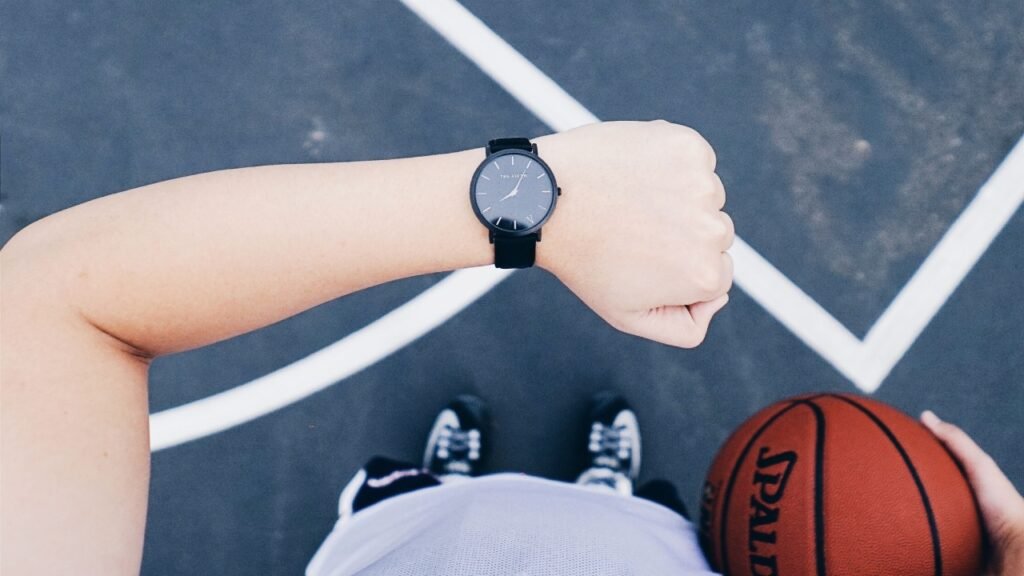
There is growing evidence that regular participation in team sports can boost a child’s confidence and sense of belonging. Basketball classes provide structured practice, positive coaching, and opportunities to celebrate progress in a supportive environment. For parents, the key is to choose programs that emphasize learning, safety, and fun. If your child is new to basketball, start with a beginner class that focuses on fundamentals rather than intense competition.
Why basketball builds confidence
Children build confidence in several ways when they participate in basketball:
- Skill mastery – Learning dribbling, passing, and shooting creates tangible wins that boost self-efficacy. Self-efficacy is your child’s belief in their ability to succeed in a task.
- Feedback and progress – Coaches provide constructive feedback that helps children see their improvement over time.
- Social support – Teammates encourage each other, share practice time, and celebrate successes together.
- Structured routines – Regular practice and game schedules create predictability and a sense of control.
- Low-stakes challenges – Age-appropriate drills and small-sided games reduce fear of failure and encourage trying new skills.
“Basketball gave our child a safe space to try, fail, and try again.” — Parent testimonial
What kids learn in basketball classes
Beyond shooting and defense, kids gain soft skills that support overall confidence:
- Teamwork and communication
- Respect for coaches, teammates, and opponents
- Goal setting and persistence
- Healthy competition and dealing with wins & losses
For a healthy activity plan, the U.S. Centers for Disease Control and Prevention recommends at least 60 minutes or more of physical activity daily for children and adolescents, including activities that build strength, flexibility, and coordination. Learn more at the CDC: Physical Activity for Children page.
Benefits at a glance
| Benefit | Why it supports confidence | How basketball demonstrates it |
|---|---|---|
| Skill mastery | Visible progress builds self-efficacy | Learning dribble, pass, shoot |
| Social skills | Teamwork and communication strengthen belonging | Passing and encouraging teammates |
| Resilience | Overcoming mistakes reinforces effort | Trying a difficult drill and adapting |
How coaches foster confidence
Coaches who use positive coaching strategies help children learn without fear of embarrassment. Look for:
- Clear goals and age-appropriate drills
- Constructive feedback focusing on effort, not only outcomes
- Encouragement to ask questions and voice doubts
- Safe, inclusive practices that welcome beginners
- Opportunities to contribute to team success
Research on coaching styles emphasizes the importance of supportive feedback and autonomy-supportive environments in building motivation and confidence. For more on coaching approaches, see Positive Coaching Alliance.
Supporting your child’s confidence at home
Parents can reinforce what happens in class with simple strategies:
- Celebrate small wins and progress, not perfection
- Ask open questions like, “What did you enjoy today?” or “What skill would you like to improve?”
- Provide a predictable routine and adequate rest
- Model good sportsmanship and resilience in everyday life
For safety guidelines and age-appropriate activity recommendations, visit the World Health Organization’s physical activity fact sheet: WHO: Physical activity.
Choosing a basketball class for confidence
- Qualified, background-checked coaches with experience coaching children
- Curriculum that emphasizes fundamentals, safety, and fun
- Positive coaching approach, with a focus on effort and teamwork
- Observing a class to see if children feel welcome and motivated
- Good safety measures: appropriate gear, hydration, and warm-ups
- Accessibility and inclusivity for all abilities
To learn more about creating positive youth sports experiences, see SHAPE America (Society of Health and Physical Educators).
Safety and suitability considerations
Safety matters in youth basketball. Ensure coaches emphasize proper technique, hydration, and injury prevention. If a child has a health condition, consult a healthcare professional before starting a new sport. For general guidelines on child health and activity, refer to the CDC and WHO sources linked above.
Summary
In summary, basketball classes can boost a child’s confidence when the program prioritizes skill development, constructive feedback, teamwork, and a supportive culture. Parents can help by choosing programs thoughtfully, reinforcing positive experiences at home, and focusing on progress rather than perfection.