

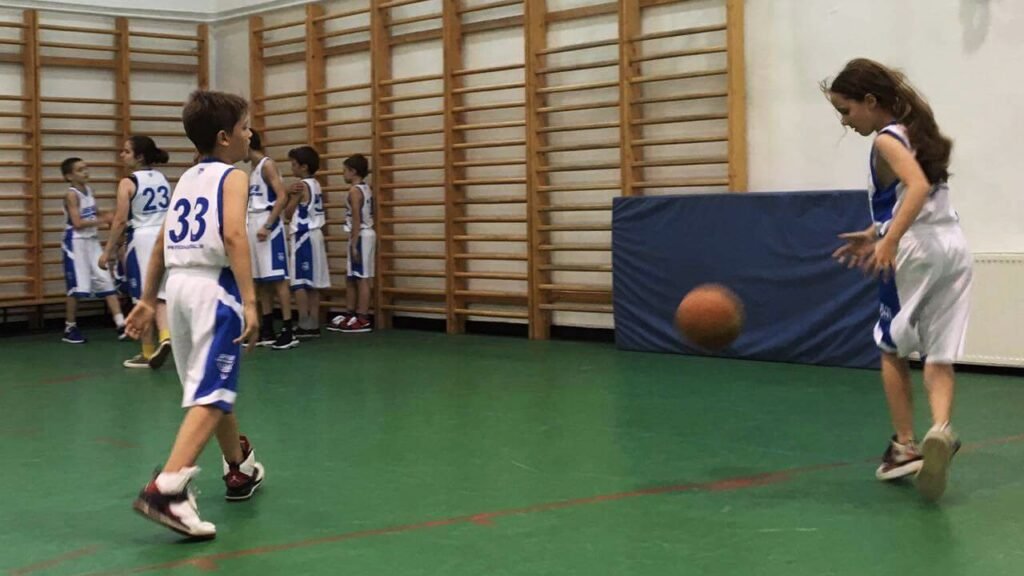
Give-and-go timing is a core skill in basketball. For kids, getting the timing right—when to pass, when to cut, and where to be on the floor—helps create open shots and build confidence. This article explains common timing problems and practical, coach-approved fixes that you can talk through with your child and their team.
What is a give-and-go?
A give-and-go, also called a give-and-go cut, is a two-player action: the passer throws the ball to a teammate and immediately moves to open space to receive a return pass. Good timing means the ball arrives just as the cutter is ready to receive it, not too early and not too late. For parents seeking official guidance on fundamentals, you can explore resources from USA Basketball and FIBA.
“Timing and communication are the two secrets to a successful give-and-go.”
Tip for parents: Encourage your child to listen for the cue, watch the defender, and sprint into a space where the return pass is most likely to arrive.
Common problems with give-and-go timing
- Misreading the defender — The cutter starts too early or too late because they misread the defender’s movement, making the return pass hard to complete.
- Telegraphed passes — The passer shows the ball too early, giving the defender time to reach in and disrupt the play.
- Poor spacing — Teammates crowd the area, leaving nowhere for the cutter to open up or for the passer to safely throw the return pass.
- Excessive dribbling before the pass — The ball handler delays the pass by dribbling too long, losing timing and momentum.
- Inconsistent footwork — The cutter doesn’t plant and pivot properly, so they can’t receive the ball cleanly or time the cut well.
How coaches fix these timing problems
- Clarify roles and spacing: Coaches set simple on-court positions and lanes so players know where to be for the give-and-go, creating clear timing cues.
- Progressive drills: Start with slow, controlled passes and cuts, then increase speed as timing becomes reliable.
- Video feedback: Short clips show successful timing and common mistakes, helping players see what to adjust.
- Consistent language: Use predictable phrases like “pass and go” or “read the defender” to build reliable timing cues.
- Decision-making practice: Teach players to react to defender movements, not just perform a fixed return pass.
Drills to practice timing
- Two-step give-and-go (no defense)
Setup: Passer and cutter stand at the top and wing. Action: Passer throws to cutter, cutter makes a quick cut to the basket and returns a pass as the passer moves to receive it. Focus: timing and space. Coach tip: start slowly and count out “one, two” to synchronize the return pass. - Controlled timing with a defender (static)
Setup: One defender stands in a non-threatening position. Action: The passer throws to the cutter, who reads the defender and uses a back-cut to open space for the return pass. Focus: reading angles and timing the return. - Give-and-go on the move (3-player drill)
Setup: Passer, cutter, and a screen/shadow defender. Action: Pass to the cutter, cutter uses a quick cut behind the defender, and the passer delivers the return pass on time. Focus: timing under game-like movement. - Decision-making progression
Setup: Same as drill 3, but include a second defender. Action: Cutter decides between a direct return, a back-cut, or a kick-out pass depending on defender position. Focus: quick, smart timing under pressure.
Tips for parents to support their kids
- Encourage communication: Teach your child to call for the ball and to tell teammates when they’re open.
- Focus on spacing, not just speed: Slower, well-timed plays beat rushed mistakes. Celebrate smart cuts and steady timing.
- Practice in small spaces: Short, concrete drills at home (like passing back-and-forth with a simple cut) help build feel for timing.
- Use positive language: Highlight what your child did well (great cut, good read) and give one simple tip for improvement.
- Watch and learn: Attend games or watch clips with your child and point out examples of good timing, especially from professional games aware of the give-and-go concept.
Resources
For official guidance on basketball fundamentals and coaching methods, see the organizations below:
- USA Basketball — coaching resources and drills
- FIBA — international rules and coaching materials
Glossary
Give-and-go: a two-player action where the passer passes to a teammate and then cuts to receive a return pass.
Back-cut: a quick diagonal run behind a defender who is facing the passer, used to create an open lane for a return pass.
Spacing: the distribution of players on the court to give options and avoid crowding, which helps timing succeed.
By practicing these ideas and drills, parents can help their children develop a feel for timing and make give-and-go plays a reliable part of their game. Consistency, clear cues, and positive feedback are the best tools to support young players on the path to better timing.