

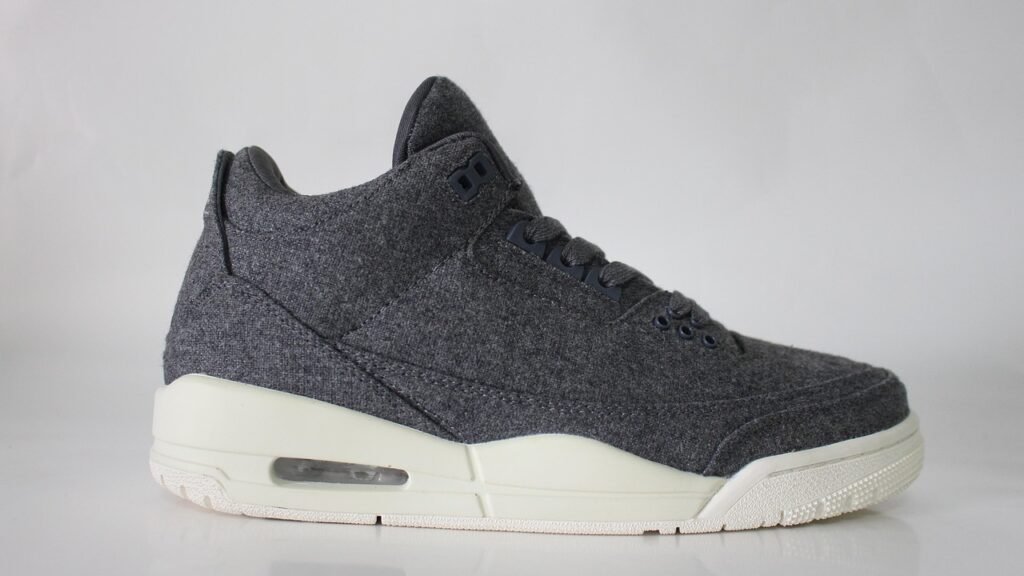
Choosing basketball shoes for kids isn’t just about style; proper footwear supports developing feet and can help prevent injuries on the court. This guide explains what to look for and how to try shoes on your child the right way.
Why kids’ basketball shoes matter
Basketball shoes are designed specifically for indoor courts, quick cuts, jumping, and lateral movements. A good pair helps with stability, fit, and comfort throughout long practices and games. Look for features that support growing feet without restricting movement.
For general guidance on children’s footwear, see the official guidance from HealthyChildren.org: Choosing Shoes and Socks for Your Child.
How basketball shoes differ from running shoes
Basketball shoes prioritize lateral stability, traction on indoor floors, and a secure heel, while running shoes emphasize forward propulsion and cushioning for long distances. When choosing for kids, prioritize:
- Non-marking outsole with strong grip for court surfaces
- Supportive upper that covers and secures the foot
- A padded collar and a firm heel counter to reduce ankle wobble
- Reasonable weight to avoid fatigue during practice
Fit and sizing tips
Proper fit is the most important factor. Steps to check fit:
- Have your child try the shoes later in the day when feet may be slightly swollen to ensure comfort
- Use the socks they will wear during games
- There should be about a thumb’s width (roughly 0.5 cm to 1 cm) of space at the toe for growth
- Heel should feel secure with minimal slippage
- Walk and hop to ensure no pressure points or rubbing
Tip from experts: choose brands with a wide width option if your child has a wider foot. For authoritative guidance on foot health, you can refer to APMA.
Materials and durability
Look for breathable mesh or leather uppers, durable overlays, and a sturdy, non-marking outsole. Durability matters because kids grow fast and jump frequently, and a well-made shoe lasts longer and provides better support.
| Feature | High-top | Mid-top | Low-top |
|---|---|---|---|
| Ankle support | Excellent for sprain-prone ankles | Good balance of support and mobility | Less ankle coverage |
| Weight | Usually heavier | Medium | Lightweight |
| Mobility | Less flexibility around ankle | Balanced | Greater ankle flexibility |
| Traction | Sturdy, non-marking outsole | Strong grip for cuts | Good grip for quick sprints |
Care and maintenance
Keep basketball shoes clean and dry; wipe the uppers after games, stuff them with newspaper to maintain shape, and air-dry away from direct heat. Inspect the outsole for wear and replace when tread is worn to prevent slips on the court. Proper storage helps maintain cushioning and fit over time.
“A well-fitted pair that fits comfortably right away saves time and reduces the risk of foot discomfort during games.”
For more information on shoe care and fit, see official guidance linked above.