

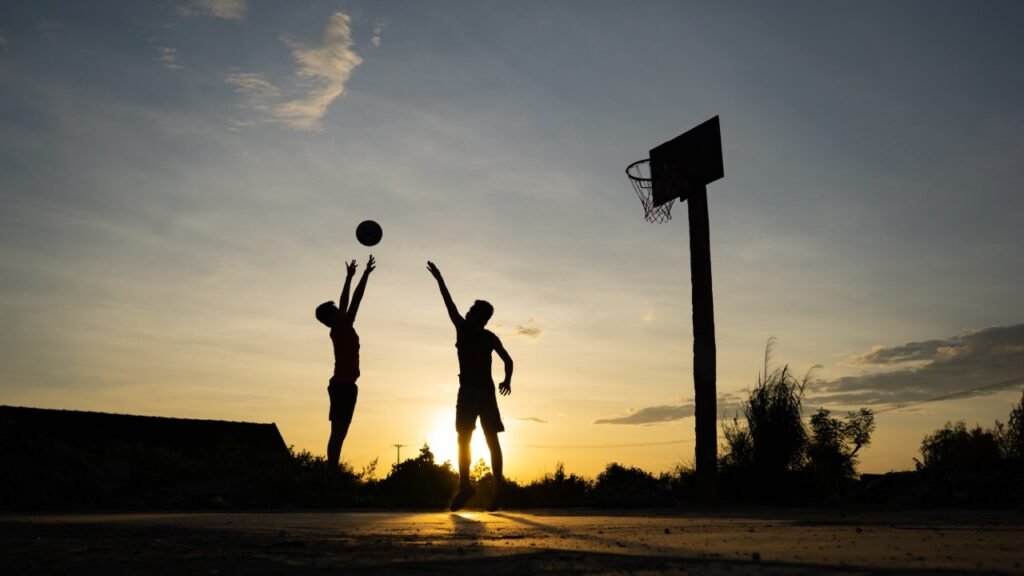
Basketball training can be a perfect fit for children aged 12 to 13 because it blends physical development with teamwork, focus, and self-confidence. At this transitional age, kids are growing rapidly and learning new motor skills, and a well-structured program helps channel their energy into healthy habits and social skills. CDC guidance highlights the benefits of regular activity for heart health, bone strength, mood, and overall well-being.
Benefits of basketball training for tweens
- Improved cardiovascular fitness, coordination, balance, and flexibility.
- Enhanced teamwork, communication, discipline, and goal setting.
- Healthy habit formation that supports long-term physical activity
- Boosted self-esteem and confidence as skills improve with practice
- Better focus and school performance through structured practice routines
Tip for parents: Look for age-appropriate programs that emphasize fundamentals, safety, and fun. For more ideas on staying active, see the CDC guidance.
Getting started safely
- Choose a qualified coach and a program that prioritizes fundamentals and gradual progression.
- Start with a thorough warm-up and finish with a cool-down to reduce injury risk.
- Ensure kids wear proper basketball shoes and gear for good support and grip.
- Hydration and rest days are essential—listen to your child’s body and avoid pushing through pain.
- Note on terms: delayed onset muscle soreness (DOMS) refers to muscle soreness that can occur after unfamiliar activity and usually resolves within 24–72 hours. Starting slowly helps minimize DOMS.
“Prioritize safety and fun over early specialization. Encourage kids to enjoy a variety of activities and avoid overtraining.”
For additional safety guidance, see AAP – Youth Sports Safety Best Practices.
Essential skills to build at this age
- Ball handling and control, especially dribbling with both hands
- Passing accuracy and catching under pressure
- Shooting form and follow-through
- Defensive stance, footwork, and managed intensity
- Communication with teammates and coaches
A simple weekly training plan
| Day | Focus | Example drill |
|---|---|---|
| Monday | Fundamentals | Cone dribbling, layups, and passing |
| Wednesday | Teamwork | 3-on-3 controlled scrimmages |
| Friday | Conditioning | Shuttle runs, sprint drills, mobility |
Helpful resources for parents
Use trusted, official sources to guide activity and safety decisions: