

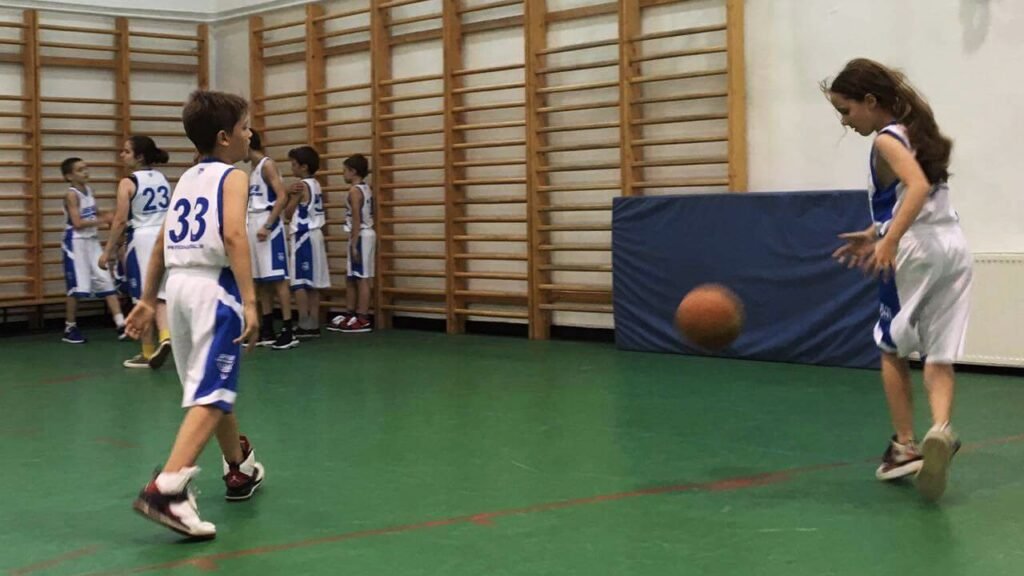
In youth sports, respect among teammates is not optional—it’s a foundational skill that helps kids learn, stay safe, and enjoy the game. When teammates treat each other, coaches, and opponents with fairness and kindness, practices are more productive and games are more enjoyable for everyone.
Why respect for teammates matters
Respect creates a safer, more inclusive environment, reduces conflicts, and teaches lifelong values beyond sports. It helps young athletes focus on teamwork, communication, and effort rather than only winning. For parents, modeling respectful behavior reinforces these lessons at home and on the field.
Benefits for young athletes
- Stronger teamwork and communication
- Greater safety because players look out for one another
- Increased motivation and better retention in sport
- Lower risk of bullying and negative sideline behavior
- Resilience: learning from mistakes in a supportive environment
For parent guidance on safety and sportsmanship, see official resources such as the CDC’s Safe and Healthy Youth Sports guidelines: CDC: Safe and Healthy Youth Sports and the Positive Coaching Alliance’s resources: Positive Coaching Alliance.
How to teach and reinforce respect on the field
Tips for coaches and parents to reinforce respect include:
- Co-create a team code of conduct with players and families
- Publicly praise acts of teamwork and good sportsmanship
- Address disrespect consistently, with calm, private conversations when needed
- Model active listening and turn-taking during drills
- Encourage inclusive language and discourage taunting or blaming
Great teammates are built on respect, not just skill.
— a reminder for families and coaches to value character as much as performance.
Code of conduct means agreed rules about acceptable behavior on and off court, created by the coach with input from players and parents.
Practical tips for parents
- Model respectful behavior at practice and games, including speaking calmly to referees and opposing players.
- Encourage inclusive participation, invite quieter teammates to join drills, and avoid a “win at all costs” mindset.
- Talk with your child about conflicts after the game; avoid yelling from the sideline.
- Praise effort, teamwork, and sportsmanship rather than just outcomes. See resources from official organizations above.
- Discuss how to handle mistakes with a growth mindset: mistakes are part of learning.
By prioritizing respect, parents help young athletes develop life skills that last beyond the court—empathy, self-control, and better teamwork in school and beyond. For more resources, visit the organizations linked above.