

Over a term of basketball lessons, many parents observe how their child’s competitive spirit evolves—often becoming a motivator for skill development, teamwork, and personal growth. This article explains what healthy competition looks like, signs that your child is learning to manage it well, and practical ways you can support them at home and with coaches.
What counts as a healthy competitive spirit
- Focuses on personal improvement and effort rather than only winning.
- Encourages teammates and plays fairly, respecting rules and referees.
- Celebrates teammates’ successes and shows good sportsmanship.
- Welcomes feedback from coaches and uses it to improve technique or strategy.
- Handles both wins and losses with calmness and composure.
Healthy competition is linked to resilience and motivation, not fear of failure. If you notice your child celebrating a teammate’s good play or pushing themselves to improve after drills, that’s a positive sign.
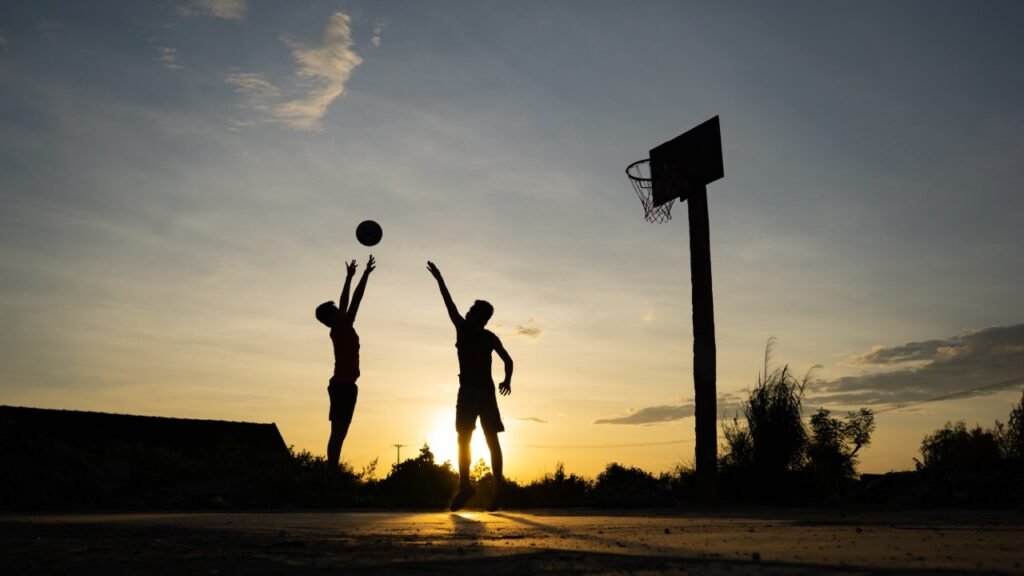
Healthy competition motivates kids to improve while respecting opponents, referees, and teammates.
For more ideas on fostering healthy competition, you can consult official guidance on youth sports participation and safety.
What you might notice after a term of lessons
- More focus during practice and games.
- Encourages and congratulates teammates, not just personal scores.
- Uses coach feedback to adjust technique and strategy.
- Manages frustration without lashing out or blaming others.
- Sets personal goals related to skill development (e.g., better footwork, dribbling with the non-dominant hand).
Coaches’ role in shaping healthy competitiveness
Good coaches frame competition as a pathway to skill-building and teamwork. They celebrate effort, provide constructive feedback, and set team and individual goals that emphasize progress over outcomes alone.
| Healthy signs of competition | Signs that may need guidance |
|---|---|
| Respectful play and fair competition | Excessive venting after losses |
| Seeking feedback to improve | Overemphasis on winning or being the best |
| Supportive reactions to teammates’ successes | Yelling at teammates or blaming others |
Practical tips for parents
- Emphasize effort, learning, and teamwork, not just winning.
- Model calm reactions to mistakes and losses.
- Use post-game conversations to reflect on what went well and what to improve.
- Help kids set personal, process-focused goals (e.g., improve dribbling with the non-dominant hand).
- Encourage teammates and celebrate teamwork, not just individual scores.
For more guidance from official sources on youth sports participation and safety, see the following:
- CDC: Physical Activity Guidelines for Children
- AAP Healthy Children: Sports and Physical Activity
- UK Coaching: Parents in Sport
Glossary
Competitive spirit: a healthy drive to improve, learn, and compete fairly while respecting others.
Sportsmanship: respectful behavior toward teammates, opponents, coaches, and officials, regardless of the game’s outcome.
Teamwork: collaborating with others to achieve common goals during practice and games.