

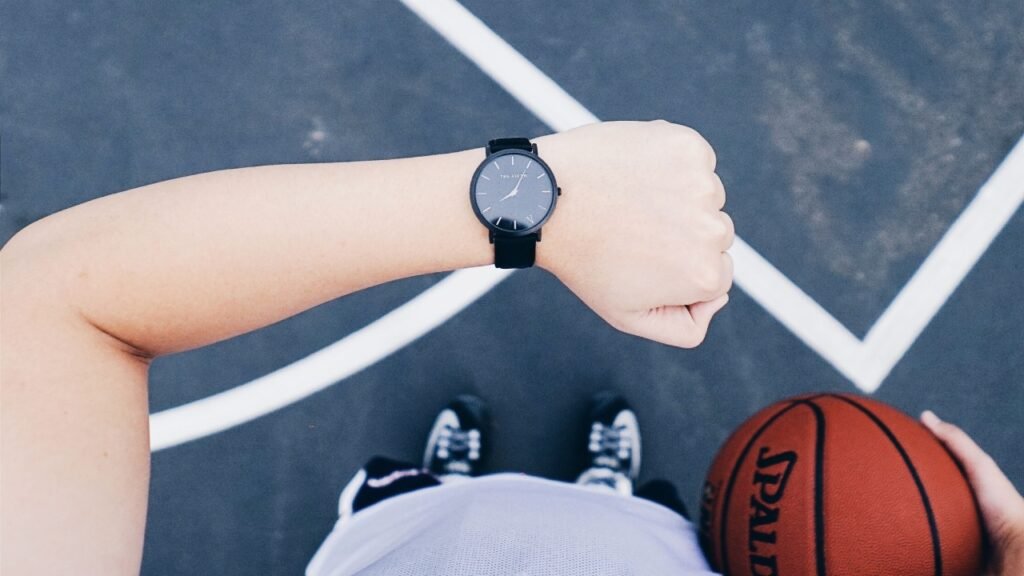
Foundation of healthy habits
Healthy routines create consistency, reduce injuries, and support kids’ growth and love of the game. When coaches and parents reinforce regular sleep, hydration, nutrition, and rest, young players can train smarter, focus better, and enjoy basketball longer.
In this article, we’ll cover practical routines and simple science-backed tips that are easy to implement at home and on the court. For more on sleep guidelines in children, see American Academy of Pediatrics sleep guidance.
Nutrition and Hydration
What kids drink and eat before and after practice supports energy, concentration, and recovery. Aim for a balanced plate with carbohydrates for fuel, protein for muscle repair, and plenty of fluids.
- Hydration routines: Encourage regular sips throughout practice and games; water is best for most kids; for longer events, small amounts of electrolyte drinks can help in hot weather. See CDC hydration tips.
- Meal timing: Eat a light snack 1–2 hours before activity and a balanced meal afterward to replenish energy stores. The Dietary Guidelines for Americans provide recommendations on portions and nutrients: Dietary Guidelines.
- Helpful term: Delayed onset muscle soreness (DOMS) is a normal response to new training loads but should ease with rest and proper recovery. Learn more from reputable sources such as Mayo Clinic.
Practice routines that build skill and safety
Structured practice helps kids learn new skills without getting overwhelmed. Use short, varied drills and built-in rest to keep attention high and reduce injury risk.
- Warm-up (5–10 minutes): light cardio and dynamic stretches (e.g., leg swings, ankle circles) to prepare muscles and joints. See CDC: Physical Activity Basics for Children.
- Skill blocks with rest: alternate drills with 1–2 minutes of rest to maintain focus and form. This approach aligns with the idea of “interval training,” adapted for kids.
- Cool-down and mobility: finish with light jogging and gentle stretches to reduce muscle soreness and improve flexibility.
- Safety checks: ensure shoes fit well, equipment is in good condition, and supervision is adequate. See ADA: Mouthguards.
Sleep and rest
Sleep is essential for growth, learning, and on-court performance. Most kids benefit from 9–12 hours of sleep per night, depending on age. Consistent bedtimes and technology-free wind-down routines help.
For guidance tailored to school-age children, see the American Academy of Pediatrics sleep resources: Sleep guidance for kids.
Safety and wellbeing
Create a supportive environment that emphasizes steady progress, proper technique, and rest days. A simple checklist might include hydration, pre-practice warm-ups, appropriate gear, and acknowledging signs of fatigue or pain.
- Injury prevention: ensure regular hydration breaks, proper footwear, and, if needed, protective gear like mouthguards (ADA resources: mouthguards in sports).
- Rest and burnout prevention: alternating activities and at least one full day off per week can help maintain long-term motivation.
- Positive coaching: emphasize effort and process, not only outcomes; celebrate small improvements to build confidence.
“Consistent routines help kids feel secure, train smarter, and enjoy basketball more.”
Sample daily routine (example timetable):
| Time | Activity | Notes |
|---|---|---|
| Morning | Hydration and light snack | Fuel before school |
| After school | Warm-up + skill drills (20–30 min) | Keep it fun and varied |
| Evening | Balanced dinner; stretch and wind-down | Recovery boost |
For families, building routines can be a collaborative effort with coaches and health professionals, ensuring nutrition, sleep, and play stay balanced. If you want more official guidance on children’s activity levels, see the CDC’s physical activity recommendations for kids: CDC: kids and physical activity.