

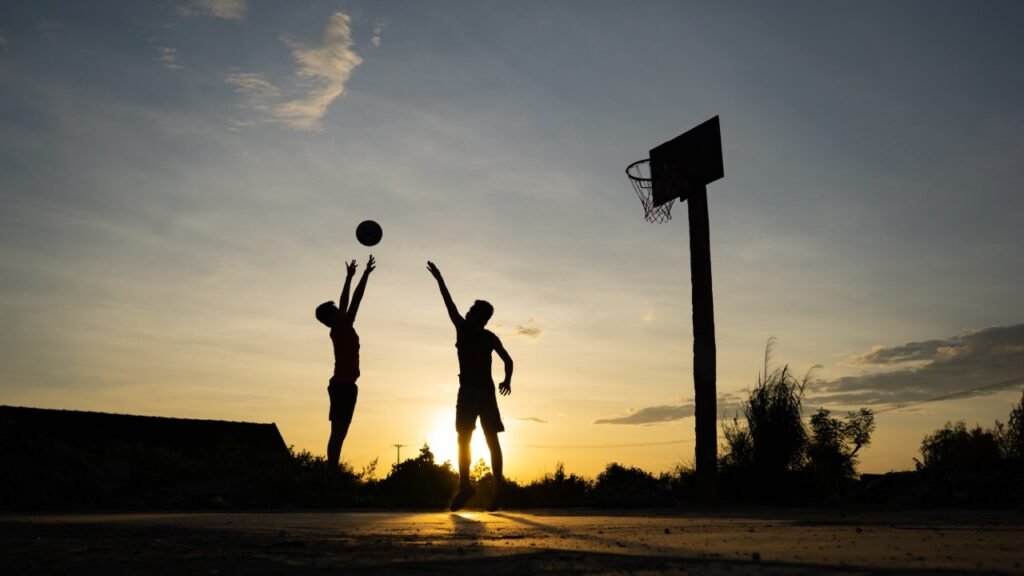
Why shooting confidence matters in youth basketball
Confident shooters are more willing to take good shots, recover after misses, and contribute in games. For kids, confidence grows from small wins, predictable practice, and supportive coaching. If you want credible resources, check HealthyChildren.org for guidance on kids’ sport participation and well-being, and USA Basketball for youth development tips.
Confidence is built in practice, one small win at a time.
Common mistakes that harm shooting confidence
-
Mistake 1: Overemphasizing mechanics and form at the expense of confidence
Kids can get frustrated when “perfect form” seems far away. Focus on a repeatable shot routine and celebrate small, consistent progress. Remedy: blend quick, playful drills with feedback that reinforces controllable aspects like balance and rhythm.
-
Mistake 2: Not practicing shooting in game-like contexts
Shooting drills that imitate real game situations help players transfer skill to live games. Remedy: include shot variants, quick releases, and defender pressure in practice to mimic game tempo.
-
Mistake 3: Negative self-talk and fear of missing
Misses happen. Teach kids to reframe misses as data, not judgment. Tip: use a brief breathing pause and shift focus to a target and rhythm.
-
Mistake 4: Inconsistent practice routines
Irregular practice erodes progress. Remedy: establish short, regular sessions 3–4 times a week, with clear, attainable goals.
-
Mistake 5: Relying on natural ability instead of deliberate practice
Talent alone doesn’t build confidence; structured practice does. Remedy: plan a balanced mix of form work, shot reps, and competitive games.
-
Mistake 6: Ignoring distance and defender pressure
Shots from different spots require adjustments in aim and arc. Remedy: start close, gradually move farther while maintaining balance and follow-through.
Practical tips for parents to support shooting confidence
- Praise effort and process, not just results. Emphasize practice consistency and improvement. Learn more about sports psychology and youth development.
- Keep practice fun and age-appropriate. Short, varied drills maintain engagement. See youth development guidelines at SHAPE America.
- Provide a predictable routine. Regular practice times reduce anxiety and build reliability. For safety and well-being guidelines for young athletes, visit HealthyChildren.org.
- Offer constructive feedback right after misses. Focus on controllables and next-shot thinking.
- Encourage visualization and positive self-talk. Visualization is imagining successful shots before you shoot. See APA sports psychology.
Kid-friendly drills to build confidence
Try these at home or on the court with a parent or coach:
- Chest pass and catch with a bounce-to-shoot routine from 3–6 feet to build rhythm, then step back gradually.
- Spot shooting from 5–8 spots around the key with a fixed target. Increase reps gradually.
- Finish drills focusing on balance and follow-through after a dribble drive.
- Mini-games like “make-it-take-it” to maintain focus and fun while shooting under light pressure.
Confidence grows when players experience consistent, positive results and supportive coaching.
Official resources for parents and coaches
Consider consulting reputable sources for guidelines on youth sport participation and mental skills training:
- USA Basketball – youth development resources and drills.
- SHAPE America – guidelines for physical education and youth activity.
- HealthyChildren.org – safety and well-being for young athletes.