

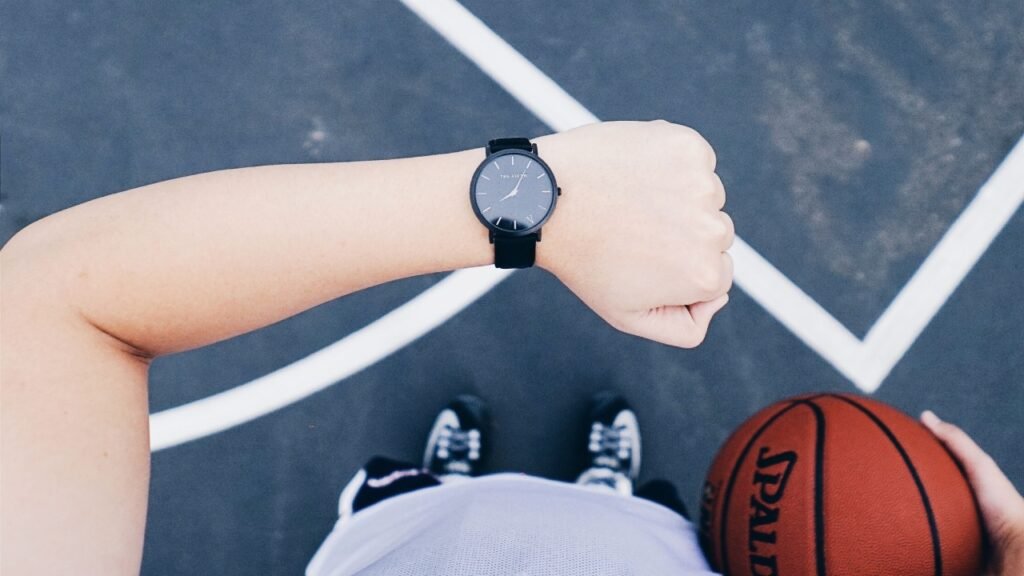
Why learning basic basketball rules matters for youth players and their families
Understanding the basics helps kids stay safe, enjoy the game, and build good habits that last a lifetime. For parents, clear rules reduce confusion, keep practices productive, and make games fair and fun.
Key terms you’ll hear on the court include rules (what is allowed) and violations (what is not allowed). For example, a foul is a contact penalty; dribbling is bouncing the ball while moving; traveling happens when a player moves too far without dribbling. If you or your child ever feel unsure, consult official rulebooks linked below.
What are the basic rules every youth player should know
These fundamental rules are easy to learn and lay the groundwork for fair play and teamwork. Start with these core ideas, then add league-specific rules as your player advances.
- Dribbling basics — When the ball is in play, players must bounce (dribble) the ball to move. If you stop dribbling and then start again, that’s often not allowed (a double dribble).
- Traveling — Taking more than two steps without dribbling after stopping or changing direction can be a traveling violation.
- Double dribble — Picking up the dribble (stopping) and then dribbling again is not allowed.
- Out of bounds — If the ball or a player’s body touches outside the court lines, possession goes to the other team.
- Fouls — Personal contact that the referee deems illegal leads to free throws or ball possession, depending on the league and the situation.
- Shot clock and possession rules — Many youth leagues use simplified timing rules; some use a 24-second shot clock, others focus on keeping ball in play with a reset after a score or foul. Check your league’s rulebook for exact timings.
- Scoring and possessions — Points are awarded for baskets; after a score, the ball is inbounded by the non-scoring team, or after a foul, possession is adjusted according to rules.
Tip: Always verify with your league or coach what rule set you’re using. See official resources for the most accurate definitions: FIBA rules overview and NBA Official Rule Book.
“Start with simple rules and clear explanations, then practice with short, fun drills to build confidence.” — Youth basketball coach
How to teach basic rules at home and on the court
- Use kid-friendly language: describe rules with simple examples and show rather than just tell.
- Practice in small steps: drills that focus on one rule at a time help kids learn faster.
- Reinforce positive behavior: praise fair play, teamwork, and safe play over winning.
- Review after games and practices: discuss one or two rules from the day and what was learned.
- Consistency from coaches and parents: applying the same expectations across settings helps kids trust the rules.
Helpful resources and questions to ask
Direct your questions to official sources or your league administrator. For accessible explanations, check:
Quick glossary of common terms
Understanding these terms helps conversations with coaches and officials:
- Foul — Illegal contact or unsportsmanlike behavior that can lead to free throws or ball possession depending on the situation.
- Dribble — Bouncing the ball with one hand while moving to advance up the court.
- Inbound — The throw-in of the ball from out of bounds to resume play after a stoppage.
Quick reference table: common rules and friendly reminders
| Rule | What it means | What to focus on |
|---|---|---|
| Dribbling | Move with a bounce while you advance the ball | Keep dribbling while moving; stop and pass or shoot when you stop |
| Traveling | Too many steps without dribbling after stopping | Take only a few controlled steps while maintaining ball control |
| Double dribble | Dribble is stopped then started again | If you stop, either pass or shoot |
| Out of bounds | Ball or player touches outside court | Know court boundaries; practice quick passes in bounds |
Encouraging a love of the game
Focusing on rules helps kids learn teamwork, patience, and respect for referees. Celebrate effort, not just scores, and involve kids in setting fair-play goals with parents and coaches. For more safety and development tips, see the sources above.