

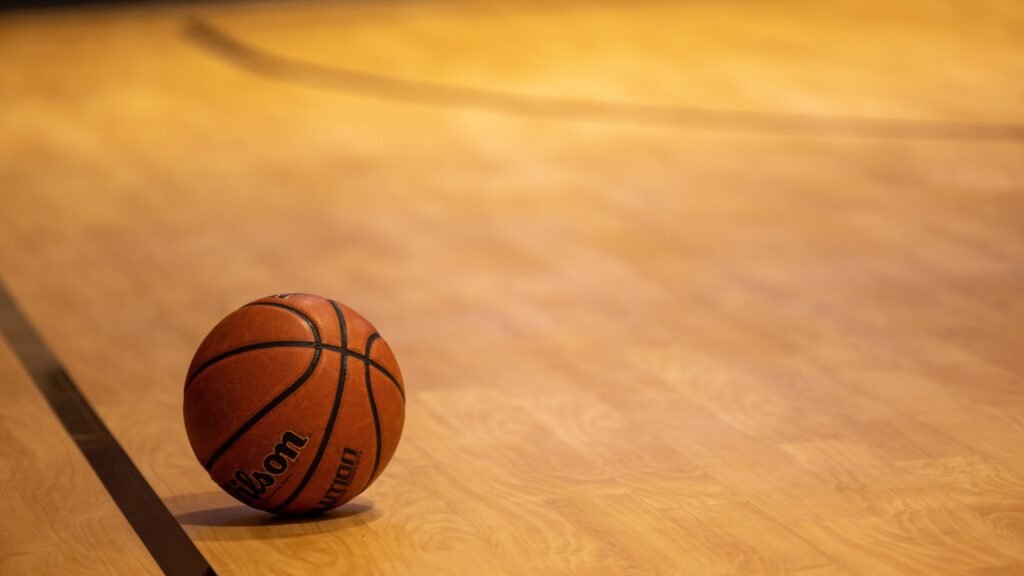
Encourage your child to practice solo at home with fun, safe, and structured routines. This guide helps parents support kids to build skills, confidence, and consistency without needing a partner or a gym.
Set up a safe practice space
Choose a clear, open area with non-slip flooring, good lighting, and minimal breakables. Use comfortable, non-slip athletic shoes. If practicing basketball, a soft ball appropriate for your child’s age can reduce rebound injuries. For safety guidelines on kids’ physical activity, see the CDC: Physical Activity for Children page.
Create a simple solo drill routine
Plan a short session (15–20 minutes) with 3 focuses: ball handling, wall passes/rebounds, and shooting form. Breaks help maintain energy and motivation.
- Ball handling (dribbling with both hands; keep the ball low and controlled). Dribbling means bouncing the ball on the floor while moving to keep it under control.
- Wall passes and rebounds (stand a few steps from a wall and throw passes, catching the rebound).
- Shooting form against a wall (practice stance, follow-through, and using a wall as a target).
- Shadow drills (practice movement without a ball to build footwork and balance).
Drills that improve focus and form
Simple solo drills help kids build muscle memory and concentration. Use a wall or tape targets to aim. For specialized terms: shooting form refers to the position of feet, hips, elbows, and follow-through when releasing the ball.
- Figure-eight dribbles: Move the ball in a figure-eight pattern around and between your legs to improve control.
- One-hand continuous dribble: Alternate dribbles with each hand while keeping the ball under control.
- Target practice: Mark a spot on the wall and try to hit it with steady, repeatable shots.
- Balance and stance drills: Hold a low, athletic stance while dribbling softly to build leg strength.
Equipment you need
- Basketball (size 4 or 5, depending on age; check official size guidelines). See the USA Basketball size guidelines.
- Wall or portable backboard for rebounds and backboard practice. If space is limited, a wall is fine.
- Masking tape or chalk to create targets on the wall for accuracy.
- Good athletic shoes with grip and ankle support.
Progress tracking and safety tips
Keep a simple chart or sticker habit to celebrate consistency. Always start with a quick warm-up and end with a cool-down stretch. If your child feels tired or sore, shorten the session and rest. For more reliable guidance on child exercise, consult official sources such as the CDC’s child activity guidelines: CDC – Physical Activity for Children.
“Tiny, regular practice builds big skills over time.”
Useful tip: involve your child in planning the routine to boost motivation and ownership.