

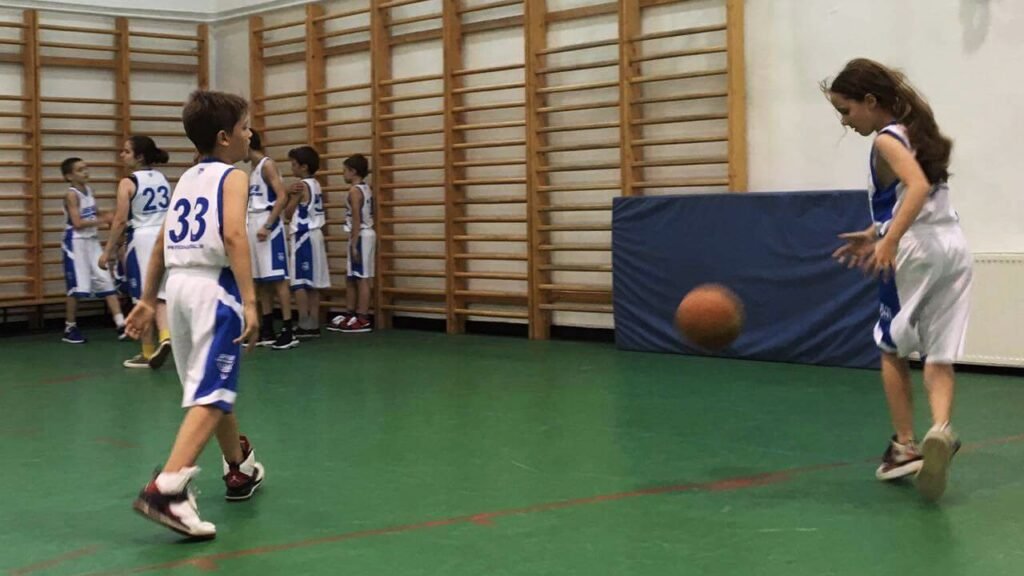
Why defense matters for young players
Defense is a cornerstone of basketball development. For kids, learning both zone defence and man-to-man defence helps build confidence, teamwork, and game understanding. When young players can read the court, communicate clearly, and make smart decisions, they enjoy the game more and become better athletes overall.
Parents play a key role by encouraging effort, supporting practice habits, and celebrating progress in footwork, spacing, and teamwork—not just scoring.
Zone defence: how it works
Zone defence is when players guard spaces on the court rather than a specific opponent. This approach helps younger players cover open areas, protect the middle, and learn to rotate as ball movement changes. Zone can be easier to grasp at first because it emphasizes space, communication, and team coverage.
Official sources for defensive concepts and youth basketball guidance can be explored on FIBA and USA Basketball.
Tip for parents: Use simple language like “stay with your area” or “cover the gap” to help kids remember their responsibilities in a zone.
Man-to-man defence: staying with a specific opponent
Man-to-man defence means each defender guards a particular player. This style teaches individual responsibility, footwork, and on-ball pressure. It also helps kids learn how to recover and help when a teammate gets beat, which reinforces teamwork and smart decision-making.
For parent-friendly explanations and coaching perspectives, see NBA and USA Basketball.
Benefits of learning both defenses
- Better court awareness and reading of ball movement
- Improved communication and teamwork on defense
- More options for coaches as players grow across age groups
- Increased resilience and confidence in games and practices
Glossary of terms for parents
- Zone defence: Defenders guard areas of the court and rotate to cover gaps as the ball moves.
- Man-to-man defence: Each defender guards a specific opponent and helps team-wide when needed.
- Closeout: Approaching an offensive player with controlled steps to contest a shot without fouling.
- Rotations: Players moving as a unit to cover space after passes and screens.
Practical tips for parents and coaches
- Start with zone shells in practice to teach spacing and communication before adding pressure of a man-to-man assignment.
- Keep practices small and age-appropriate (for example, 4-on-4 or 3-on-3) to reduce complexity and build confidence.
- Teach closeouts and defensive stance with simple cues: “knees bent, eyes on the ball, feet active.”
- Use short, positive feedback and celebrate smart rotations and good communication, not just steals or blocked shots.
- Progress from zone to man-to-man as players mature and grasp basic concepts; ensure a strong foundation in footwork and positioning.
“My child learned to read the floor and communicate with teammates, which made both defense and offense easier to understand.”
Zone vs Man-to-Man — at a glance
| Aspect | Zone defence | Man-to-man defence |
|---|---|---|
| Coverage | Guard spaces and zones | Guard individual players |
| Key skills | Spacing, communication, rotations | Footwork, closeouts, one-on-one defense |
| Learning curve | Often easier for beginners | Requires more individual discipline |
Helpful resources for families and coaches
- USA Basketball – youth coaching resources and drills
- NBA – fundamentals and defensive principles
- FIBA – international guidelines and education on basketball rules and defense