

Overview
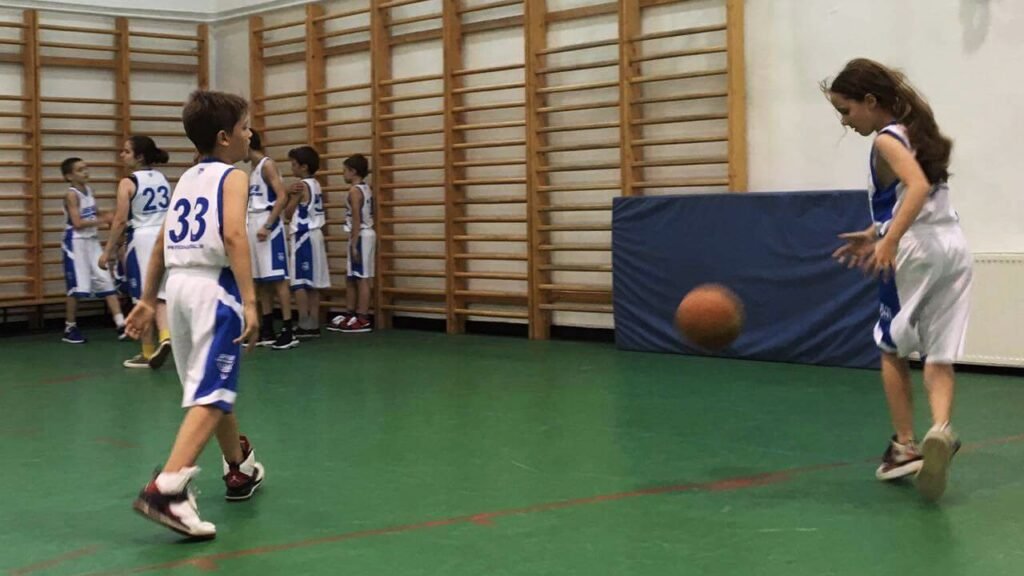
Basketball classes offer more than basic ball-handling. They are structured environments where kids practice cooperation, communication, and shared goals, helping build healthy teamwork habits that carry into school and family life.
Benefits for teamwork and beyond
- Enhanced communication: players learn to talk through plays and give clear instructions.
- Cooperation and trust: success depends on supporting teammates and trusting their decisions.
- Problem-solving under pressure: quick decisions during fast-paced drills improve adaptability.
- Respect, empathy, and sportsmanship: learning to celebrate others’ successes and handle mistakes gracefully.
- Discipline and responsibility: showing up on time, following rules, and adhering to roles.
How basketball classes build teamwork
Communication on the court
On-court communication includes verbal cues (spoken words) and nonverbal signals (eye contact, hand signals). Clear talk reduces confusion and injuries.
Roles and responsibilities
Each player often has a specific role (e.g., defender, shooter, ball-handler). Embracing a role teaches accountability and how every contribution matters.
Listening and feedback
Kids learn to listen actively and offer constructive, respectful feedback, which strengthens group cohesion.
Leadership and peer mentoring
Older children can mentor younger players or lead drills, building confidence and collaborative skills.
What parents can do to reinforce teamwork at home
Parents support learning by reinforcing the language of teamwork and providing opportunities to practice the skills outside practice hours.
- Practice simple passing sequences with your child at home.
- Highlight teamwork moments when your child shares a ball or helps a teammate.
- Coordinate with your child’s coach to align goals and monitor progress. CDC tips for physical activity in children.
Safety and inclusion considerations
Ensure age-appropriate drills, proper footwear, and a safe playing environment. If your child has a medical condition, consult a healthcare provider before starting a program. See safety guidelines from reliable health authorities.
- Use well-fitted athletic shoes with good grip and ankle support.
- Warm up adequately to prevent injuries.
- Ensure drills are inclusive and adapt to different skill levels. For general safety guidelines, see American Academy of Pediatrics.
Evidence and official sources
Building teamwork through sports is supported by public health recommendations and sports science research. For authoritative guidelines, check:
- CDC — Benefits of physical activity for children
- WHO — Physical activity for children and adolescents
Conclusion
Enrolling children in structured basketball classes can be a practical, enjoyable way to nurture teamwork, communication, and resilience—skills that help kids thrive in school, friendships, and family life.
Teamwork is the ability to work together toward a common goal, and basketball provides the perfect stage for kids to practice it.