

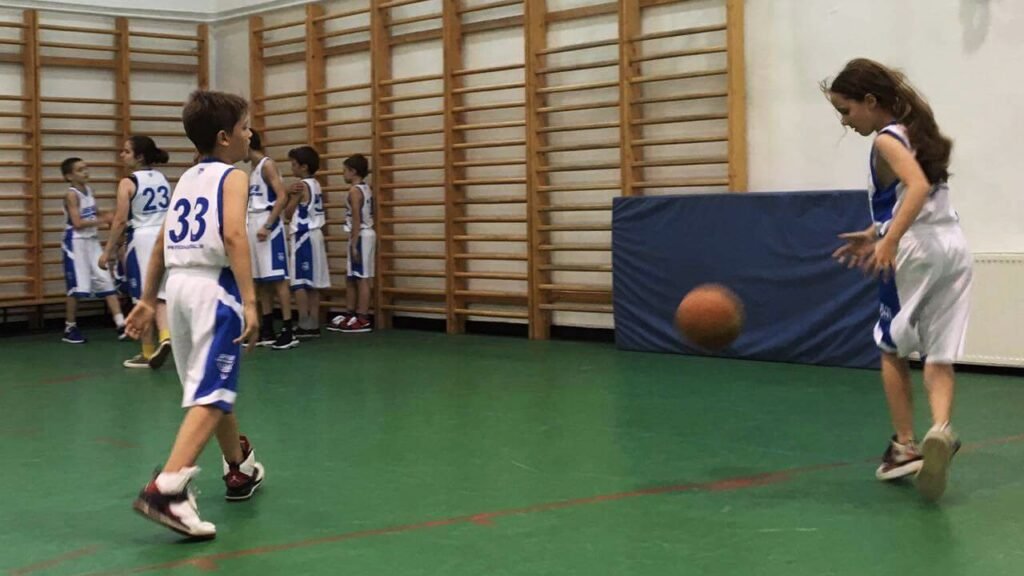
Why the right basketball class matters
Starting with a well-structured program helps a boy build confidence, develop essential skills, and enjoy the game. A quality beginner class emphasizes safety, progressive skill progression, and a positive, low-pressure environment.
How to choose the best option
- Coach qualifications: Look for coaches with formal training in youth basketball and first aid/CPR certification where possible. See USA Basketball: usa-basketball.
- Class size and pace: For beginners, smaller groups (8 or fewer) with a clear progression are ideal.
- Curriculum structure: A good program should include warm-up, fundamental drills (dribbling, passing, shooting form), and controlled games.
- Safety policies: Clear rules for water breaks, rest, equipment checks, and injury handling.
- Location and schedule: Convenient times and a safe facility encourage consistency; check refund/cancellation policies.
Age and readiness
Most programs tailor activities by age. For younger beginners (roughly ages 5–9), look for activities that emphasize play, coordination, and basic ball handling rather than competition.
Safety and equipment
Ensure a safe space with padded flooring or gym mats, properly sized basketballs, and well-maintained equipment. Coaches should teach proper warm-up routines, hydration, and injury prevention. For safety guidance, consult CDC resources on youth physical activity: CDC Youth Physical Activity.
Curriculum structure
A good beginner curriculum progresses from fundamental dribbling and passing to controlled shooting and layups, with regular practice and short, supervised scrimmages. If possible, request a trial class to observe style and pace.
“A gentle, structured start kept my son excited to come back week after week.”
Questions to ask the coach
- What is your coaching philosophy for beginners?
- How do you structure a typical class (warm-up, skill stations, games)?
- What is the coach-to-child ratio?
- How do you handle children who struggle with a skill or feel shy?
- Are there opportunities for at-home practice or parent involvement?
- Is there a trial class or a return policy if it isn’t a good fit?
Enrollment tips and next steps
- Visit a class or observe a session before enrolling to see the environment and coaching style.
- Check for a trial period, refunds, and make-up classes in case of absence.
- Ask about equipment, uniforms, and any required gear as children grow.
- Coordinate with family schedules to avoid over-scheduling.
For broader youth-sports safety and guidelines, consider consulting official sources such as USA Basketball and CDC.